Safe Disposal of Construction Waste: Brisbane’s Best Practices
Table Of Contents
Role of Contractors in Waste Management
Contractors play a critical role in managing construction waste, as they are often the first line of action when it comes to waste minimisation and disposal on-site. They are responsible for implementing waste management plans that comply with local regulations and environmental standards. Effective contractors ensure that waste is properly sorted and categorised, which facilitates recycling and reduces the amount sent to landfill. Regular training and well-organised systems can enhance their ability to manage waste responsibly.
Another key aspect of a contractor’s responsibilities is to collaborate with suppliers and clients to promote sustainable practices. This includes sourcing materials that are recyclable or eco-friendly. By engaging in conversations about the environmental impact of construction methods, contractors can influence decisions that lead to reduced waste generation. Additionally, they can educate their teams about innovative waste management strategies, helping to integrate sustainability into everyday construction processes.
Responsibilities for Ensuring Compliance
Contractors play a crucial role in ensuring that construction sites comply with waste management regulations. It is their responsibility to stay informed about relevant laws and guidelines that govern the disposal of construction waste in Brisbane. This involves obtaining necessary permits, following prescribed waste management practices, and maintaining accurate records of waste disposal. Regular training sessions for staff on compliance issues can also enhance understanding and promote adherence to these regulations.
Moreover, implementing an effective waste management plan is essential for contractors. This plan should outline procedures for sorting, recycling, and disposing of materials properly to minimise overall waste. By conducting regular audits to assess compliance with the plan, contractors can identify areas for improvement and ensure that all workers understand their roles in waste management. A proactive approach not only meets legal obligations but also enhances the sustainability of construction practices, ultimately benefiting the entire community.
Reusing Materials in Construction
Reusing materials in construction offers significant environmental benefits while also potentially reducing costs for builders. By repurposing items such as bricks, timber, and metals, contractors can lessen the amount of waste sent to landfills. Additionally, salvaged materials often possess unique characteristics that can enhance the aesthetic appeal of new constructions. This practice encourages creativity and innovation in design, allowing builders to integrate historical elements into modern projects.
Incorporating reused materials into construction not only supports sustainability goals but also strengthens community ties. Local businesses involved in salvaging and reselling materials can thrive, fostering economic resilience. Builders who prioritise reuse contribute to the conservation of resources, reducing the strain on raw material extraction. This commitment resonates with environmentally conscious consumers who increasingly seek out sustainable building practices.
Benefits of Upcycling and Salvaging
Upcycling and salvaging materials from construction projects offer significant environmental benefits. By repurposing materials, the amount of waste sent to landfills is reduced. This process conserves natural resources, as it eliminates the need to extract and manufacture new materials. Additionally, it lowers carbon emissions associated with production and transport, contributing positively to climate change mitigation.
Beyond the environmental advantages, upcycling and salvaging can also lead to cost savings for construction companies. Using salvaged materials often comes at a reduced cost compared to new products. This practice can make projects more economically viable while simultaneously promoting sustainable building practices. The unique character of upcycled materials can also enhance the aesthetic appeal of developments, offering an opportunity to create spaces that are distinctive and environmentally responsible.
Involving the Community in Waste Reduction
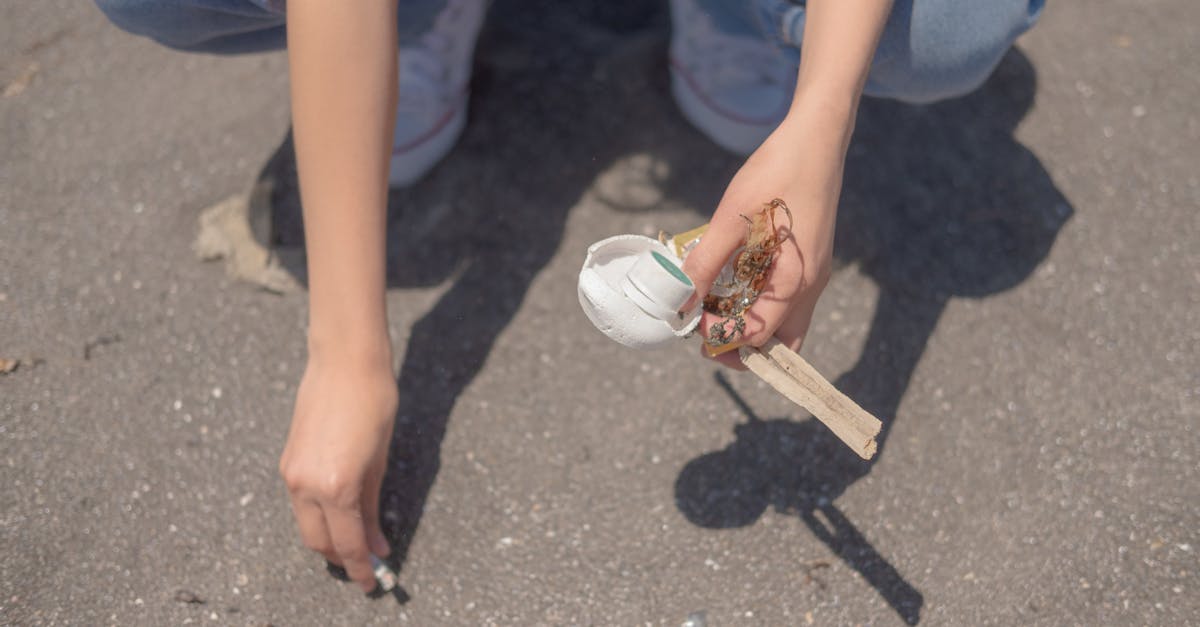
Engaging the local community plays a crucial role in reducing construction waste. When residents are informed about the issues associated with improper waste disposal, they often become more proactive in their involvement. Initiatives like community workshops can educate individuals on best practices for waste segregation and recycling. These sessions not only raise awareness but also foster a sense of ownership and responsibility towards local environmental challenges.
Local councils and organisations can collaborate to develop educational programmes aimed at sustainability. Through initiatives such as neighbourhood clean-up days or recycling drives, communities can demonstrate their commitment to reducing waste. Participation in these activities encourages strong communal ties and promotes a culture of sustainability. Empowering individuals and families to make environmentally conscious decisions serves to amplify the impact of waste reduction efforts within urban areas.
Educational Programs and Initiatives
Brisbane has implemented various educational programs aimed at raising awareness about construction waste disposal among both professionals and the community. Workshops and seminars targeting contractors, builders, and the general public highlight the importance of responsible waste management. These initiatives promote sustainable practices, equipping participants with knowledge about recycling, upcycling, and the effective separation of materials on-site. By engaging industry stakeholders, the city fosters a culture of accountability, ensuring everyone understands their role in minimising impact on the environment.
School programs also play a crucial role in instilling good waste management habits in younger generations. By incorporating lessons on sustainability and the life cycle of materials, students learn the significance of reducing waste from an early age. Local councils and environmental groups often partner with educational institutions to create hands-on projects, such as community clean-ups and recycling drives. These activities not only reduce waste but also encourage community engagement, helping to create a collective mindset focused on sustainable construction practices.
FAQS
What are the main responsibilities of contractors in waste management?
Contractors are responsible for ensuring compliance with local regulations, managing waste on-site, implementing recycling practices, and promoting sustainable disposal methods.
How can construction materials be reused effectively?
Construction materials can be reused by salvaging items such as bricks, timber, and fixtures during demolition, and incorporating them into new projects, helping to reduce waste and save costs.
What are the benefits of upcycling and salvaging construction waste?
Upcycling and salvaging materials not only reduce landfill waste but also conserve resources, lower project costs, and promote sustainability within the construction industry.
How can the community get involved in construction waste reduction?
The community can participate in educational programs and initiatives that focus on waste reduction, support local recycling efforts, and advocate for sustainable building practices.
What educational programs are available to promote waste reduction in construction?
Various educational programs are offered by local councils and organisations, focusing on sustainable building practices, waste management training, and community workshops aimed at increasing awareness and participation in waste reduction efforts.
Related Links
What to Do with Unused Materials After a RenovationEco-Friendly Options for Disposing of Renovation Refuse in Brisbane
Choosing the Right Rubbish Removal Service for Construction Sites
Essential Tips for Handling Renovation Waste Responsibly
Managing Construction Debris: Tips for Brisbane Homeowners
The Ultimate Guide to Rubbish Removal After Home Renovations
Sustainable Practices for Construction Waste Management in Residential Areas
How to Organise Your Renovation Waste for Fast Removal in Brisbane
Efficient Strategies for Eliminating Renovation Waste in Brisbane Homes